


The evolution of gambling A journey through history and cultural significance
The Origins of Gambling
The history of gambling dates back to ancient civilizations, where games of chance played a vital role in social and cultural activities. Archaeological findings suggest that the earliest forms of gambling can be traced to China around 2300 BC, where simple games using tiles were played. In addition to this rich history, you might consider how you can play poker online for money to engage with a modern twist on these ancient traditions. Similarly, ancient Egyptians engaged in various betting games, showcasing that the allure of risk and reward has always been part of human nature.
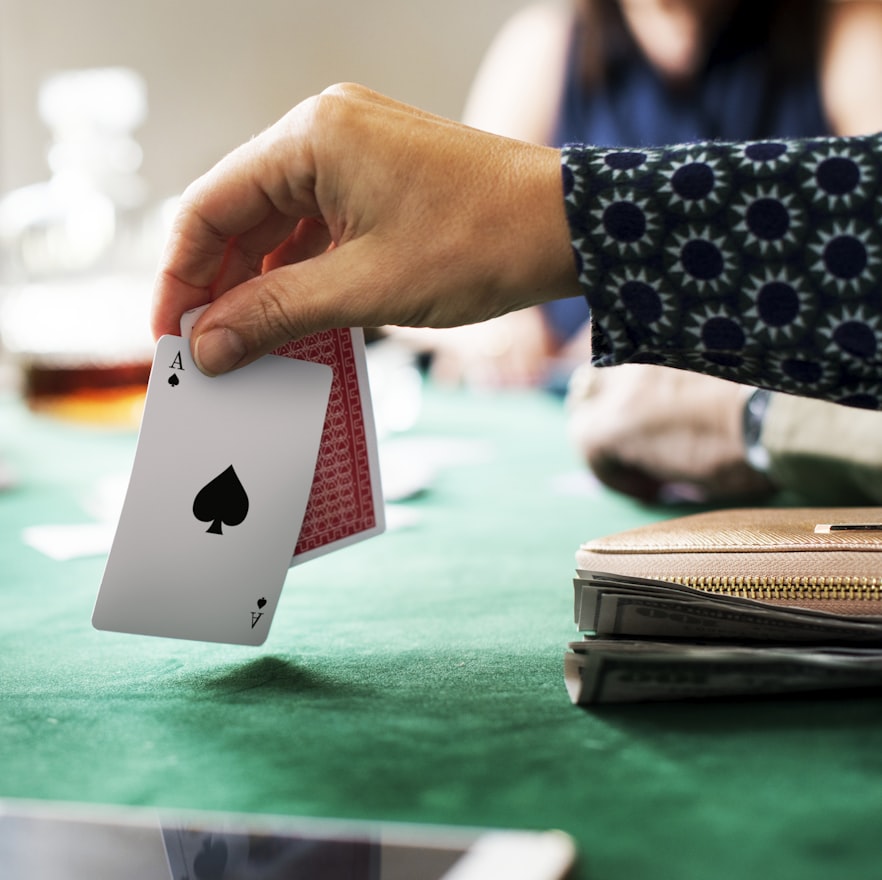
As societies evolved, so did the complexity of gambling. In ancient Rome, citizens participated in betting during gladiatorial games, highlighting how gambling became intertwined with entertainment and social gatherings. The Romans not only enjoyed betting on events but also developed early forms of dice games, paving the way for modern casino experiences.
The Rise of Formal Gambling Institutions
The Middle Ages saw a transformation in gambling practices, with the establishment of formal gambling houses. These venues provided a controlled environment for betting, thus increasing their popularity. The first recorded public lottery took place in 1569 in England, where tickets were sold to raise funds for public projects. This marked a significant shift in gambling from informal to organized structures.
During the Renaissance, games like poker and baccarat emerged, further enriching the gambling landscape. The introduction of casinos in the 17th century, particularly in Italy, marked a milestone where gambling was elevated to a prestigious social activity. These establishments not only offered games but also served as social hubs for high roller experiences, thus solidifying gambling’s cultural significance.
Gambling and Culture
Throughout history, gambling has been more than just a pastime; it has influenced literature, art, and social norms. Writers like Fyodor Dostoevsky explored the psychological aspects of gambling, portraying its dual nature of attraction and destruction. Gambling themes resonate in various cultures, often reflecting societal values and ethics surrounding risk-taking and fate.
Additionally, many cultures have specific games and traditions that highlight their unique relationship with chance. For instance, Mahjong in China is not just a game but a cultural phenomenon that brings families together. The rituals and customs surrounding these games illustrate how deeply embedded gambling is within cultural identities across the globe.
The Digital Revolution in Gambling
The advent of the internet has dramatically transformed the gambling landscape, making it accessible to millions worldwide. Online casinos and betting platforms emerged in the late 1990s, allowing players to engage in their favorite games from the comfort of their homes. This shift not only expanded the audience but also introduced innovative gaming options, such as live dealer games and virtual reality experiences.
With the rise of mobile gaming, gambling has become even more integrated into daily life. Players can now place bets and play games anytime, anywhere, further blurring the lines between social interaction and gambling. This evolution also raises discussions about responsible gambling, as digital platforms present both opportunities and challenges for maintaining healthy gaming habits.

About Our Website
Our website is dedicated to providing comprehensive insights into the world of gambling, focusing on its historical evolution and cultural significance. We aim to educate and inform readers about the various aspects of gambling, from its origins to modern-day practices, ensuring an engaging exploration of this fascinating topic.
Through expert analysis, we delve into the nuances of gambling culture and the impact of technology on gaming experiences. Join us as we continue to navigate the dynamic landscape of gambling, offering valuable resources for enthusiasts and newcomers alike.